
Every morning on Twitter, someone is telling you that designers are finished. That you missed the AI wave. That if you are not already prompting your way through every project, you are done. Most of them are selling something. That is the part they forget to mention.
The truth is less dramatic and a lot more useful. Only 1% of designers are using AI effectively in their workflow right now. If you feel behind, you are watching the wrong 1%.
The 1% rule most designers get wrong
Think about the gold rush in 1849. Miners started in January. You arrive in April and you feel late to the party. But 99% of the world at that time did not even know what a gold bar was. Everyone was still sleeping. The people who arrived in April were still early. They just did not know it yet.
That is exactly where we are with AI in product design. You follow 20 designers who already made AI their full-time job, and you panic. But your actual market, your hiring landscape, the teams who will hire you next year, most of them are not in the room yet. You can start today, add AI to your workflow, and still be ahead of 99% of the world.
Being early has a real cost
Here is the part nobody talks about. Being early is expensive. In 2023, AI was a party trick. Make me a joke, speak like Morgan Freeman, generate a below-average image. Now Google Stitch generates UI from a few prompts. Claude Code writes working code for you. Cursor, Windsurf, new assistants launch every week.
The rate of change went from yearly to monthly to almost weekly. Trying to learn every new tool is like trying to learn painting while also memorising the entire history of art in four months. You will burn out. And that is not a failure of discipline. That is just what being in a fast-moving environment feels like. Admit it early so you can plan around it.
Pick one lane and master it
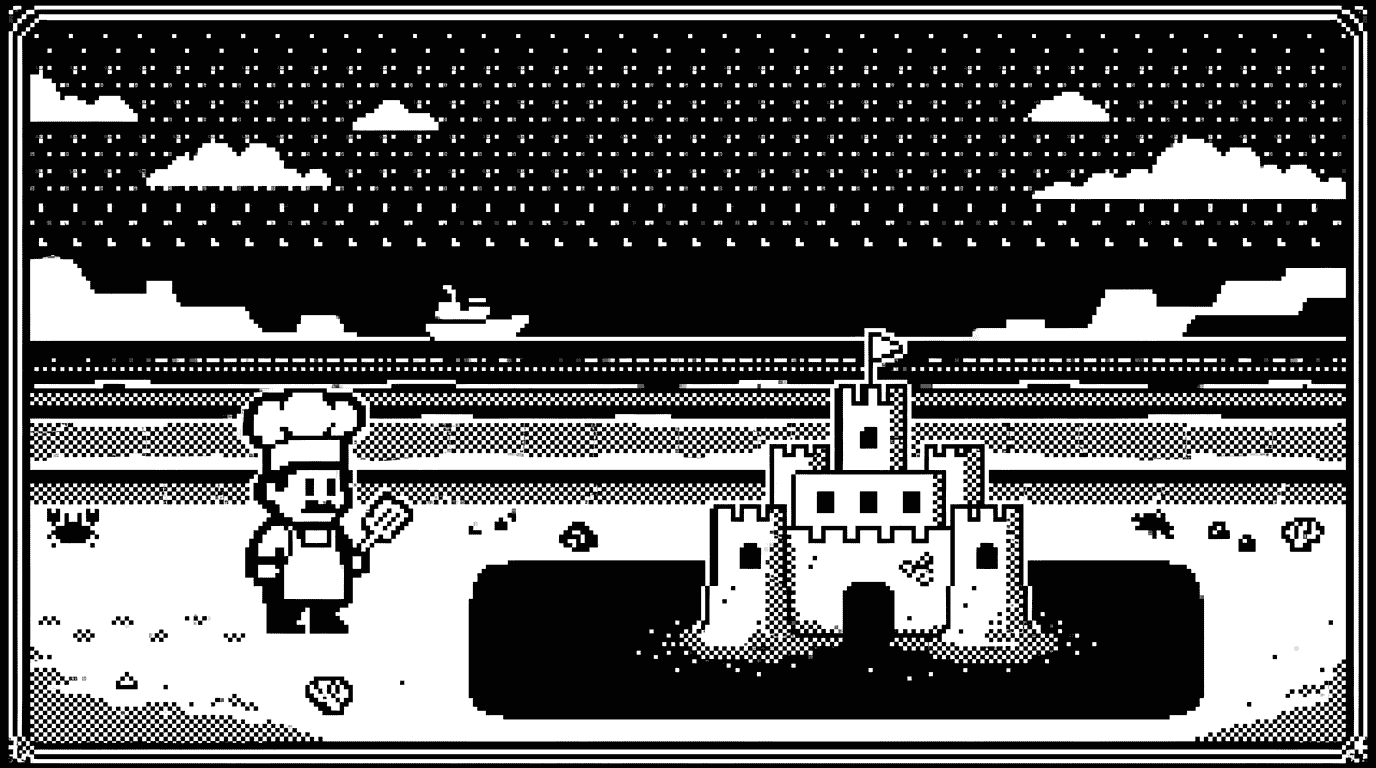
Learning AI is like learning to cook. You do not open a restaurant that serves every cuisine in the world. You pick Spanish. You nail the tortilla de patata. Then you branch out to Galician seafood. Then regional dishes. Someone who masters Spanish cuisine is way more valuable than someone who bounces between twenty countries at a surface level.
Same rule applies here. Pick one or two AI tools you can use every day in your actual workflow. Give yourself three months. Use them on real projects, not weekend experiments. When you master one, add the next one the same way. Three tools known deeply will always beat fifteen tools known on the surface.
Your plan does not need to be perfect
Here is your homework. Pick one tool today. Put it on your calendar for 30 days. Use it every day in your workflow. At the end of month one, pick the next one. Document the journey if you want (LinkedIn works if you hate being on camera). Nobody actually cares about you personally, they care about what you learned. So teach what you learn, week by week.
Standing against AI is standing against productivity. And your plan does not need to be perfect. It just needs to exist.