
There is a type of designer who is technically very good. Clean components. Consistent spacing. A prototype that almost tricks you into thinking it is real. And a Figma file that has not shipped.
This is not a rare case. It is the default. And the reason is not what most people think.
Why Mockups Are Not the Product
A mockup is a blueprint. It describes what something should be, how it should look, and how it should behave. What it is not, and can never be, is the thing itself.
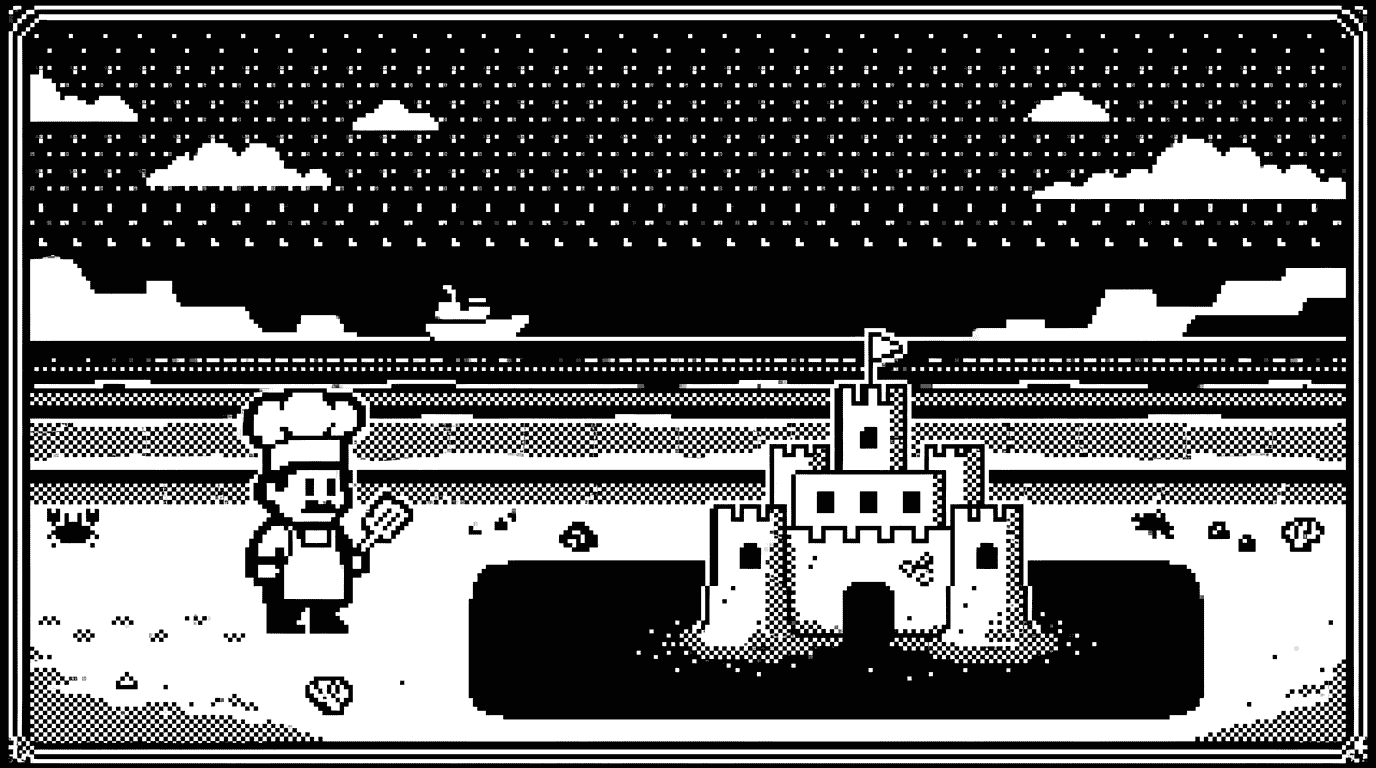
Think of it like a sand castle. It can be detailed, impressive, well-crafted. Someone walks past and says wow. Then the tide comes in. It was always temporary. A mockup that never ships exists in exactly the same way: it looked real in the moment it existed, and then it did not.
Figma is one of the best design tools ever made. That is not the problem. The problem is when the file becomes the destination instead of the path. The moment you start optimising for how the file looks rather than what the file becomes, the distance between design and product grows with every new screen you add.
The Decision Designers Keep Avoiding
Here is what is actually happening when a designer keeps iterating instead of shipping. It is not perfectionism, not imposter syndrome, not a missing skill. It is one decision being avoided. The decision to put the work in front of real people.
A chef who spends six months perfecting a recipe on paper has done interesting personal work. The actual job starts when someone at the table says the sauce is too salty. That moment feels like a risk. It is not. It is the fastest route to a dish that actually works.
Inside Figma, everything stays controllable. You can always add another screen. Adjust the colour. Fix the hover state. Once it is live, someone can say something is wrong with the product, and you cannot edit that away.
That discomfort is not a sign you are not ready. It is the whole point. The plate is not the risk. Serving is the shortcut.
Why Motivation Is the Wrong Foundation
Say you make the decision to ship. Good. But here is the second problem, and it is quieter than the first.
Most designers start a product on motivation. The new idea arrives, Figma opens, the joy is there. A few days later the momentum fades and the file sits untitled somewhere in the projects panel.
This is not a character flaw. This is what happens when you build a design workflow instead of a shipping workflow. A design workflow ends when the file looks done. A shipping workflow ends when a real person uses the product. Those are different things, and they require different habits.
A restaurant does not depend on the chef’s mood to open every morning. The menu exists. The prep list exists. The system runs whether the motivation is there or not. That is what shipping needs: a repeatable sequence, not a spark.
One Practical Starting Point
Pick one thing you have been designing in Figma for a while that has not shipped. Give yourself 48 hours. Use Framer, Webflow, or a vibe coding tool like Lovable. Get it in front of one real person. Not perfect. Shipped.
The Zero to UI Lab is built around exactly this: the full journey from first file to a product someone actually uses. Not just the design. The whole thing.
You already know how to design. What you need is the decision.