
You’ve been in that room. You stand up, you start talking, and somewhere around the second sentence you can feel it: the energy dropping, eyes glazing, people shuffling. Then someone else stands up. Says less. And the whole room leans in.
That gap isn’t intelligence. It isn’t seniority. It’s storytelling. And most designers have never been taught it.
Why Communication Is a Design Problem
Design is about clarity. We spend hours making sure a button label says exactly the right thing, that a user flow has no confusion, that visual hierarchy tells the eye where to go. Then we walk into a client meeting and explain our work in a scattered, overloaded five-minute monologue that nobody can follow.
The irony is obvious once you see it. We care deeply about how clearly our designs communicate. We pay almost no attention to how clearly we communicate about our designs.
The most effective influence happens early, before decisions are made. But early project conversations are often unstructured and hard for listeners to follow. That’s not a confidence problem. It’s a storytelling problem. And storytelling is a learnable skill.
The Exercise That Changed How I Pitch
Here’s the simplest version I know.
Take an idea, a design pitch, a brief you’re preparing, something you need to explain to a client. Grab your phone. Hit record. Tell the story in 45 seconds. No filler words. You can pause and think. But you’ve got 45 seconds, and when they’re up, the story needs to be complete.
Then do it again. This time you have two minutes. Same idea, same pitch, same story, but now you have space for detail.
Listen back to both. That’s where the real work happens.
The 45-second version is brutal in the best way. It strips out everything except the essential. If something can be cut, the time constraint cuts it for you. What survives is the core of your story, the thing you actually need someone to understand.
The two-minute version teaches you a different thing: which details earn their place. Not everything you cut from 45 seconds should stay out. But now you’re choosing deliberately instead of dumping everything in and hoping it lands.
Why Repetition Is the Method
Most people do this once, feel uncomfortable listening to themselves, and stop. That’s exactly where the work starts.
Stories activate our emotions and create connection. When we feel connected to someone, we are more open to their message. But that connection only comes when the story is clear. And clarity comes from repetition, from doing the exercise enough times that the essential shape of your story becomes second nature.
A musician doesn’t perform a piece once and call themselves ready. A designer doesn’t sketch one wireframe and ship it. The same logic applies here. The story gets better because you repeat it, listen, and adjust. Every iteration closes the gap between what you mean and what lands.
The Plate Analogy
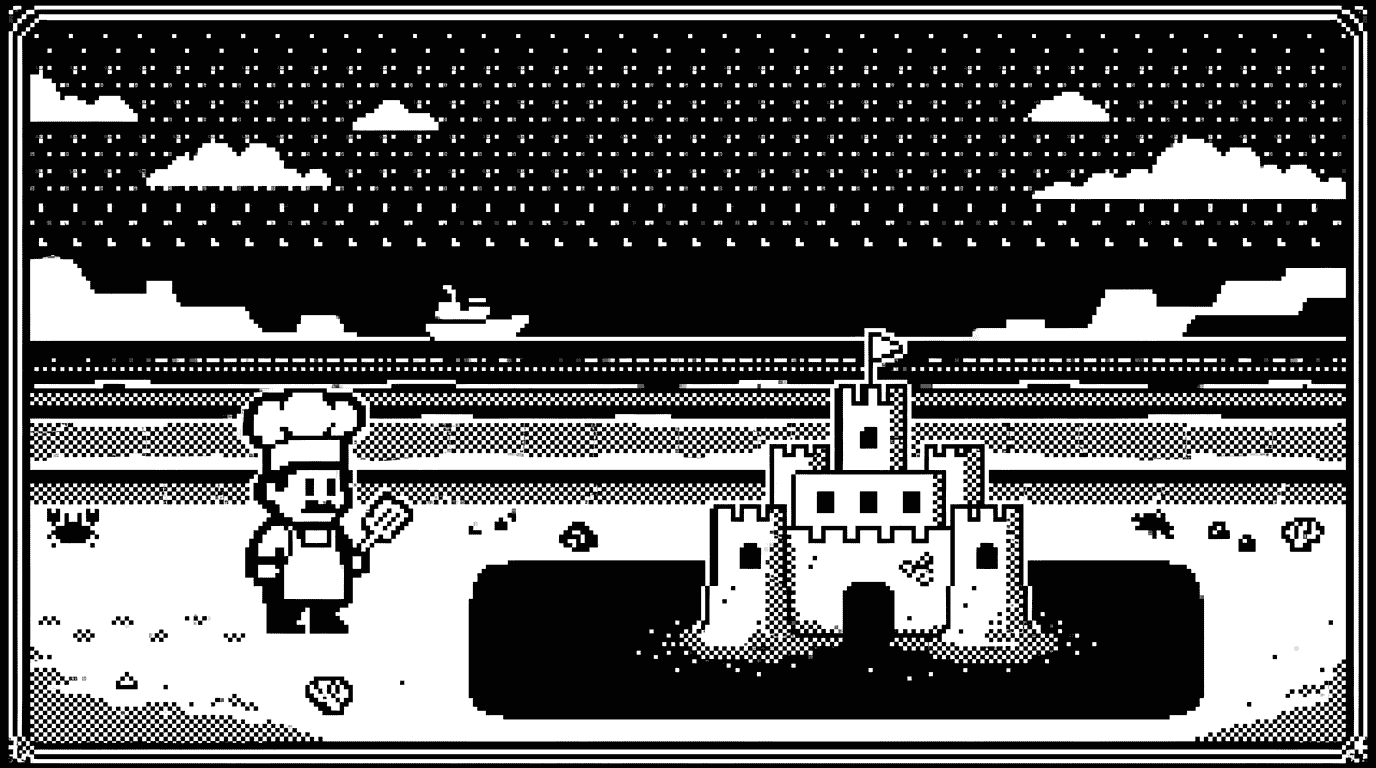
I keep coming back to this: if your design is the food, then your story is the plate.
People taste both. A brilliant dish on a bad plate loses something real. The presentation doesn’t change the quality of what’s underneath, but it absolutely changes how it’s received. The same is true of ideas. A good design explained badly can lose the room just as surely as a bad design explained well can win it.
This isn’t about performance or manipulation. It’s about respecting the person you’re explaining your work to. Clarity is a form of respect.
Clear Is the Hardest Version of Clever
That phrase stopped me when I first heard it. Most of us reach for clever, a smart framing, an interesting angle, a way of saying something that feels a little more impressive than the direct version. Clarity feels almost too simple. Too obvious.
But clear communication is genuinely hard. It requires you to understand your own idea well enough to remove everything that isn’t essential to it. That’s a high bar. Clarity comes with practice. The stronger your own clarity of thought, the more your work lands, and the more people associate you with being someone worth listening to.
The 45-second exercise is a shortcut to finding out whether you actually understand what you’re trying to say. If you can’t say it clearly in 45 seconds, that’s worth knowing. Not as a failure, as information. Start there and build.